Hand, Foot and Mouth Disease: Understanding and Managing the Infection
23/09/2024
Self-tanners: why use them instead of sunbathing
21/05/2026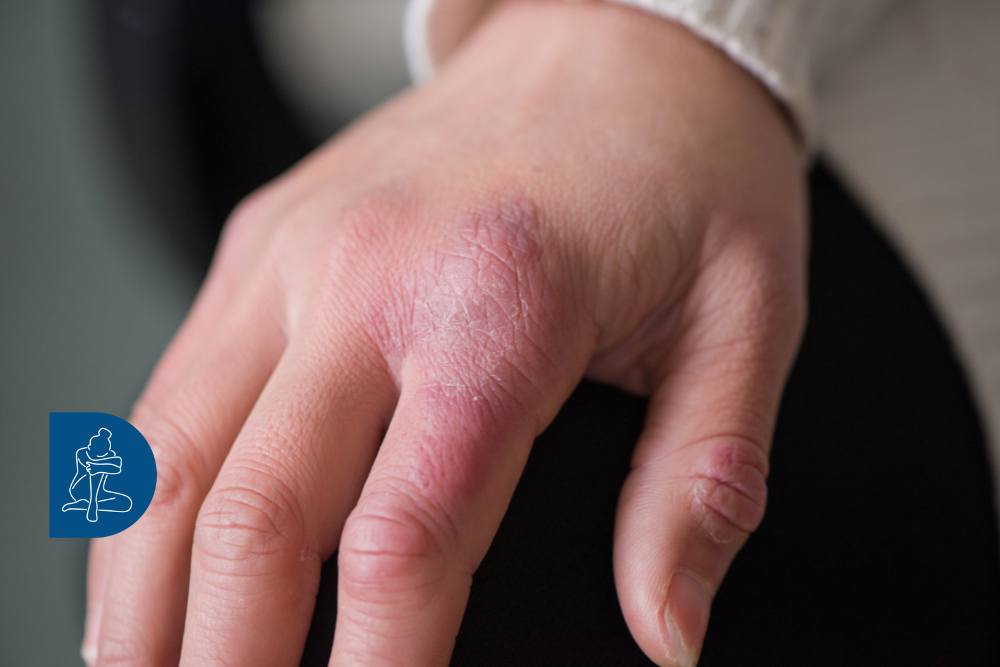
Chilblains, also known as pernio or perniosis, is a localised inflammatory reaction of the skin caused by prolonged exposure to cold and damp conditions.
Indice
What are Chilblains
They appear as single or multiple erythematous-purplish lesions that suddenly develop on the toes, fingers, ears or tip of the nose, but sometimes also in other areas following prolonged exposure to cold and damp conditions.
Those most commonly affected are children and young women with a low body mass index.
Chilblains on the feet and hands: symptoms
Chilblains cause an unpleasant burning or stinging sensation, sometimes accompanied by itching or a prickling sensation, due to reduced blood flow (hypoaemia) to the skin caused by constricted blood vessels.
Why do chilblains occur? Causes
Chilblains develop as a result of an abnormal reaction of the skin to cold and damp conditions. In some people, the blood vessels in the skin are unable to adapt properly to sudden changes in temperature, causing localised damage to the skin. Here are the main factors that contribute to the development of chilblains:
-
Prolonged exposure to cold and damp
This is the main cause. The cold causes the superficial blood vessels to constrict, damaging the tissues. -
Microcirculation problems
In some people, peripheral circulation is impaired and fails to respond properly to sudden changes in temperature. -
Low body mass index
Very thin people, such as children or young women, have less natural thermal protection and are more susceptible. -
Genetic or family predisposition
Chilblains may be more common in people with a family history of the condition, probably due to inherited vascular characteristics. -
Inappropriate clothing or shoes that are too tight
Clothing that does not provide adequate protection against the cold or that restricts local blood circulation can make chilblains more likely to develop. -
Certain vascular or autoimmune conditions
In rare cases, chilblains may be a sign of more complex conditions such as lupus or Raynaud’s syndrome.
Diagnosis
The diagnosis is usually made on the basis of clinical observation which is characteristic of this condition. In specific cases, diagnostic tests may be carried out to assess blood circulation, or a histological examination may be performed to reveal inflammation and skin damage of vascular origin.
How to treat chilblains: dermatological treatments and remedies
There is no universal treatment for chilblains, but it is possible to relieve the symptoms and promote recovery by following certain dermatological guidelines:
-
Protection against the cold
The first step is to avoid exposure to cold temperatures, especially in damp environments. It is important to wear gloves, warm socks and comfortable shoes that do not restrict blood circulation. -
Application of astringent products
The use of an aluminium chloride gel, known for its astringent and soothing properties, can help reduce inflammation and discomfort. Applying it twice a day directly to the affected area has shown tangible benefits in various cases (e.g. Dermasana by MOST Skincare). -
Soothing or warming creams
In some cases, rubefacient creams are used to stimulate circulation, or soothing creams to relieve itching and burning, but their effectiveness varies from person to person. -
Vasodilators (only in selected cases)
Some doctors prescribe vasodilator medication to improve peripheral circulation, but these should only be used under medical supervision, as they can cause side effects. -
Avoid direct sources of heat
Suddenly warming cold extremities (e.g. with boiling water or radiators) can make the situation worse. It is better to warm the affected areas gradually.
In cases of persistent, recurrent or very painful chilblains, it is always advisable to consult a dermatologist to rule out any more complex underlying conditions.
Do you need personalised advice on chilblains?
Chilblains can be uncomfortable and, in some cases, difficult to manage using only home remedies. If you are experiencing persistent symptoms or would like expert advice on how best to treat and prevent them, you can request a free consultation on the DermaClub Forum.
A team of dermatologists is on hand to answer your questions, help you determine whether you really do have chilblains, and recommend the products or treatments best suited to your needs.