Potassium permanganate: a helping hand in dermatology
07/08/2023
Astringent Gel: a multifunctional hero in dermatology
07/08/2023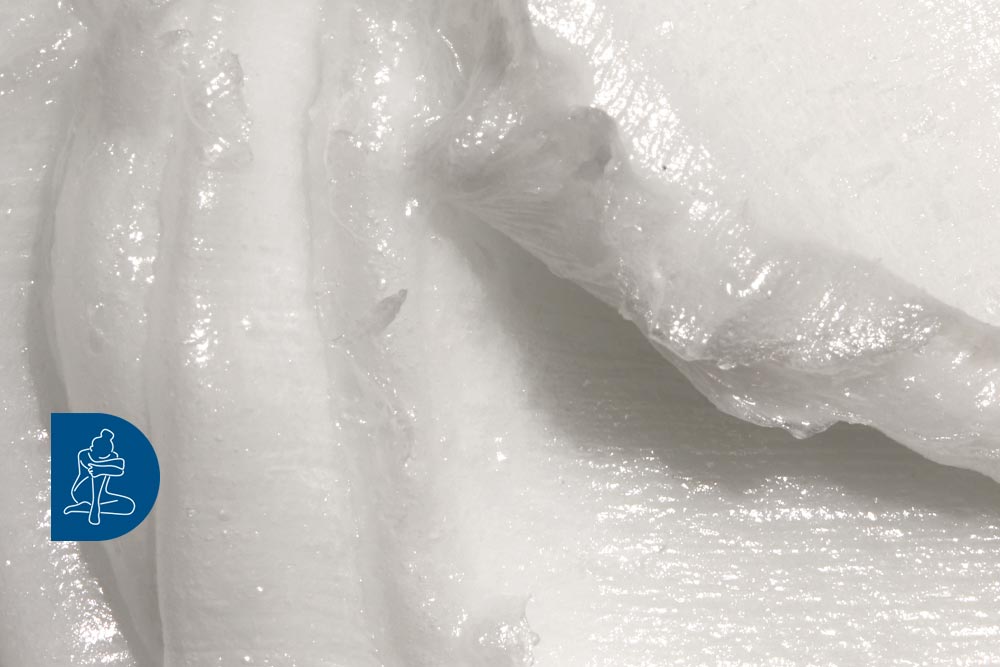
Polyethylene Glycol Ointment, or PEG Ointment, is composed of allantoin and a mixture of PEGs that vary in molecular weight. PEGs are often used in medicine as excipients, inert substances, solvents, surfactants and plasticizers. They can also be used as a base for oral or laxative suppositories, or intravenously as an anti-oedema.
In dermatology, PEG Balm is used to treat various skin conditions.
Indice
What is polyethylene glycol (PEG)?
Polyethylene glycol is a biocompatible, synthetic, hydrophilic polyether compound. that also has many applications in medicine. In medicine, PEGs are used for many different reasons: PEGs are the bases of a number of oral or suppository laxatives. Before certain surgeries or colonoscopies, the bowel is often prepared using an irrigation of PEGs and electrolytes. After trauma, PEGs can be used intravenously to reabsorb edema, especially cerebral edema. To increase half-life, certain drugs or vaccines can be bound with PEGs .
What is allantoin?
Allantoin is a compound derived from the metabolism of uric acid. It is naturally present in our bodies at a dose of ⅔ mg/liter, which increases significantly during exercise.
Allantoin has also been detected in both animal and vegetable food products, meaning it can also be absorbed by the body through diet.
For hundreds of years, allantoin has been used to promote healing, thanks to its antibacterial, anti-inflammatory and soothing properties.
What does PEG Ointment look like?
PEG Ointment is compact and thick, but softens quickly on the skin so is easy to apply. Unlike traditional ointments, PEG Ointment is non-greasy and will not stain clothing. The ointment may leave marks on clothes but, as PEGs are water-soluble, any such stains are completely temporary and are easily washed away.
The many uses of PEG Balm in dermatology
The most common use of PEG Ointment is to dress wounds, ulcers or decubitus. In these cases, PEG Ointment is particularly useful as it does not create further inflammation of the wound. It is also non-stick and creates a barrier between the wound and the dressing, which greatly reduces pain during dressing changes. Unlike most traditional ointments, PEG Ointment is hydrophilic, which means it can absorb liquid. This ensures the wound remains dry, reducing the risk of both putrefaction and bacterial infection. In addition to PEG Ointment’s healing properties, the presence of allantoin in the product stimulates the tissue repair process. DermaClub considers PEG Ointment to be the best product for wound, ulcer or decubitus dressing.
PEG Ointment to treat burns
PEG Ointment is an excellent option for dressing burns and scalds, particularly domestic burns that are usually lower in degree and scale. PEG Ointment helps to repair, prevents infection and, importantly, provides immediate relief from pain and any sensations of burning sensation. PEG Ointment absorbs the exudation of water that pours into the tissues of the skin following a burn and absorbing edema, a main cause of pain, is a key characteristic of PEG Ointment’s antalgic properties.
PEG Ointment to treat dermatitis
Inflammatory dermatitis (psoriasis, atopic dermatitis, lichen, dyshidrosis) is characterized by a lymphocyte-mediated inflammatory state that ultimately causes a change in the stratum corneum and its function as the skin’s barrier. Although not anti-inflammatory itself, PEG Balm helps to repair damage to the stratum corneum which in turn, reduces skin inflammation and interrupts the vicious cycle of dermatitis-inflammation and inflammation-dermatitis.