


Herpes Zoster
18/06/2024
Disease Hands Feet Mouth
23/09/2024
Indice
Description
Neurofibromatoses are a group of hereditary genetic syndromes caused by gene mutations.
There are three recognized types of NF:
- Neurofibromatosis type 1 (NF1), also called von Recklinghausen disease
- Neurofibromatosis type 2 (NF2)
- Schwannomatosis (SWN)
Causes
NF1, the most common form, results from a mutation in a gene on chromosome 17q11.2. This gene produces neurofibromin 1, a protein crucial for normal nerve growth. Its absence leads to excessive nerve growth, causing the neurofibromas characteristic of the condition.
NF1 affects approximately 1 in 3,000 individuals. It is often familial, with 50% of cases having a documented family history, while the rest arise from new mutations.
Symptoms
NF1 manifests in diverse ways, involving the skin, eyes, and nervous system.
Key signs include:
- Café-au-lait spots: present in 95% of NF1 patients, these patches typically appear at birth or during the first year of life.
 By childhood, most affected individuals have at least six spots, usually over 5 mm in size.
 - Freckling: small, café-au-lait-colored freckles often appear in the armpits, groin, or under the breasts.
- Neurofibromas: these benign nerve tumors, most often cutaneous, typically emerge around puberty. They can range in size from small nodules to bean-sized or larger growths and are often painless. Subcutaneous neurofibromas, found along larger peripheral nerves, may cause pain or functional difficulties.
- Lisch nodules: Yellow-brown, raised nodules on the iris develop around puberty, appearing in nearly all adults with NF1 without affecting vision.
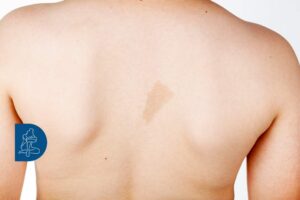 By childhood, most affected individuals have at least six spots, usually over 5 mm in size.
Diagnosis
NF1 diagnosis is typically based on clinical findings. A genetic test, performed using a blood sample, can confirm the NF1 gene mutation in most cases.
Progression
Most NF1 cases are limited to aesthetic concerns caused by numerous cutaneous neurofibromas. However, in some individuals, optic pathway gliomas or brain gliomas may require surgical intervention. Malignant peripheral nerve sheath tumors are rare complications.
Treatment
Historically, NF1 treatments focused on surgical removal of neurofibromas for aesthetic, functional, or oncological reasons.
Recently, the FDA approved Selumetinib (Koselugo), a biologic drug targeting MEK-1/2 enzymes, which helps control nerve cell proliferation in NF1 patients. Neurofibromatosis Type 2 (NF2)
NF2 is characterized by bilateral vestibular schwannomas (nerve sheath tumors), causing hearing loss, vertigo, headaches, or facial weakness due to nerve compression. Schwannomatosis
This subtype involves multiple schwannomas on cranial, spinal, or peripheral nerves. The initial symptom is often chronic, severe pain, with other symptoms varying depending on tumor location.


