Irritant contact dermatitis
20/09/2023
Atopic dermatitis: in a nutshell
20/09/2023
Dermatitis describes an inflammation of the skin that presents with the sudden formation of symptoms including red patches, dry skin, and itching.
Dermatitis caused by stress is the appearance of typical dermatitis symptoms without any of the usual, obvious causes such as an established sensitivity to allergens, contact with urticants, or the use of drugs or certain cosmetics. As its name suggests, dermatitis caused by stress occurs suddenly and alongside periods of psychophysical and emotional overexertion.
Indice
The symptoms of stress-induced dermatitis: how to recognise it
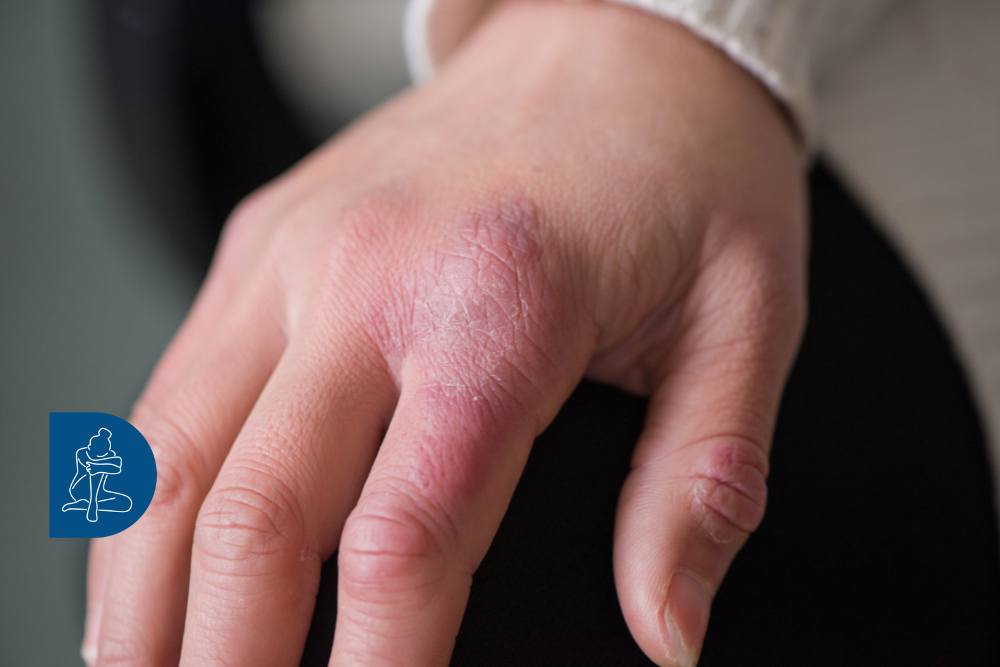
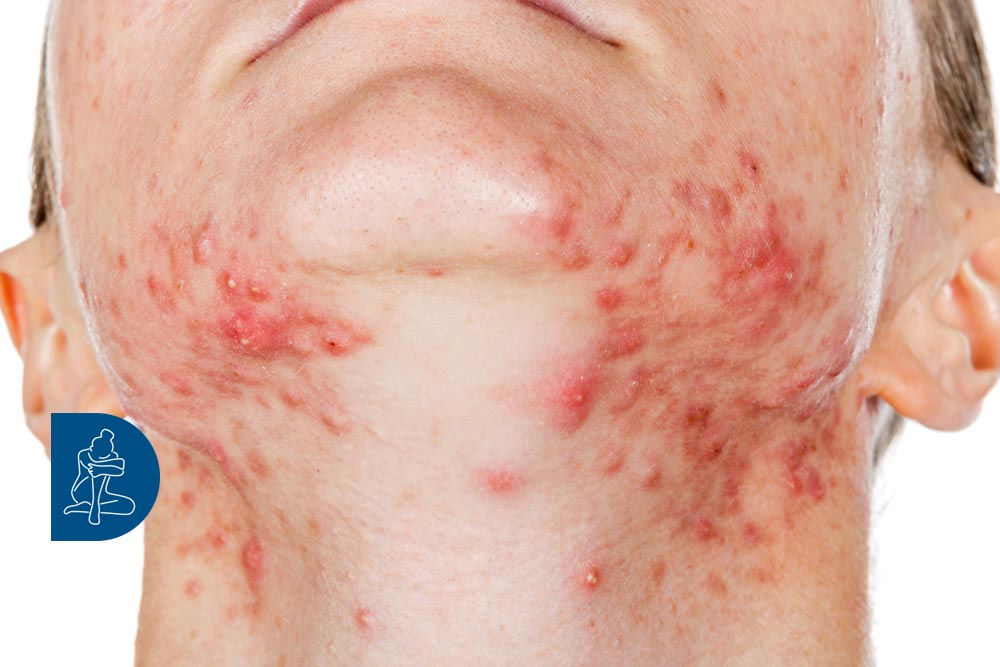
Stress-induced dermatitis manifests as a sudden inflammatory reaction of the skin, often coinciding with a period of physical, mental or emotional strain. The symptoms are similar to those of other forms of dermatitis, such as contact dermatitis, and it is not always easy to distinguish it without a medical assessment.
The main symptoms include:
-
Skin redness (erythema)
Sudden red patches that mainly appear on the face, neck, hands, feet and eyelids. -
Dry skin
The skin appears visibly dehydrated and feels rough to the touch, sometimes with noticeable flaking. -
Skin flaking
The skin flakes off, leaving visible flakes. This is one of the typical signs of the inflammatory stages of dermatitis. -
Intense itching
One of the most bothersome symptoms, which can lead to frequent scratching, worsening the irritation and causing micro-lesions. -
A burning or hot sensation
Some people experience a localised sensation of heat or a burning sensation, particularly during the acute stages of the skin reaction. -
Blister formation
In some cases, small fluid-filled blisters develop, which may burst and lead to scabbing. -
Abrasions or scabs
These result from constant scratching or the bursting of blisters: the damaged skin may show signs of abrasions or scabs. -
Sleep disorders
Itching can become more intense at night, disrupting sleep and affecting overall well-being.
Stress-related dermatitis can vary in severity from person to person, but the sudden onset of symptoms, in the absence of any known allergens or irritants, is a useful indicator that the condition may be linked to psychological or physical stress.
The causes of stress-induced dermatitis
Stress-induced dermatitis is not caused by a single trigger, but is the result of a combination of physical, psychological and environmental factors. In particular, emotional and psychophysical stress appears to act as a trigger or aggravating factor in susceptible individuals. Here are the main mechanisms involved:
-
Increased cortisol (the stress hormone)
During periods of prolonged stress, the body produces high levels of cortisol, which can compromise the skin barrier, weaken local immune defences and promote inflammation and irritation. -
Immune system imbalance
Stress can alter the body’s immune response, making the skin more sensitive and reactive even to mild or normally tolerated stimuli. -
Psychological and physical strain
Mental fatigue, lack of sleep, a hectic lifestyle or significant emotional changes (e.g. bereavement, break-ups, work-related stress) can contribute to the onset of stress-induced dermatitis. -
Aggravating environmental factors
Stress can interact with external factors such as excessive use of cosmetics, frequent washing, and exposure to cold or damp conditions, which make the skin more vulnerable. -
The skin as a ‘safety valve’
In some susceptible individuals, the skin acts as a target for emotional tension, manifesting stress in the form of visible and uncomfortable skin reactions.
Diagnosis
The diagnosis of stress-induced dermatitis is made by ruling out other causes, such as exposure to external agents, endogenous causes and immunological abnormalities.
A consultation with a dermatologist is often sufficient to identify a temporary reaction attributable to physical and mental exhaustion, but in some cases specific tests are required (to rule out the influence of other factors).
How to treat stress-induced dermatitis: treatment and remedies
Generally, stress-induced dermatitis clears up on its own after a short period, without the need for specific treatment. However, in certain circumstances – due to the nature or duration of the condition, which can cause physical or cosmetic discomfort – remedies can be used to alleviate the symptoms, such as:
- Soothing products (Soothing Cream), which provide temporary relief from inflammation and itching.
- In more severe cases of stress-induced dermatitis, restorative ointments such as Peg Ointment are used.
- If itching persists, it is advisable to use a natural anti-itch remedy such as sulphonated ichthyol (Dermictiol Cream).
- Wash less frequently and use non-foaming cleansers (Eudermic Cleansing Base) to help reduce discomfort.
- Do not use cortisone creams, as they can lead to dependency and damage the skin.
Eliminating sources of stress wherever possible is the most effective treatment.
The importance of stress management in preventing dermatitis
Although it is not possible to completely prevent stress-related dermatitis — as stress can arise at any stage of life — it is possible to reduce the risk of it developing or recurring by adopting strategies that promote mental and physical well-being and skin health. Here are some best practices to follow:
-
Managing everyday stress
Relaxation techniques such as meditation, yoga or regular physical activity help to reduce cortisol levels and improve the body’s response to external stimuli. Engaging activities such as dancing, music and team sports are often very helpful. -
Establishing regular sleep routines
Adequate and consistent sleep strengthens the immune system and promotes healthy skin, preventing the hormonal imbalances caused by a lack of sleep. -
Care for your skin with gentle products
Use mild cleansers – usually non-foaming ones – and non-occlusive cosmetics to avoid further irritating the skin, which can become more sensitive when under stress. -
Reduce excessive washing
Avoid frequent washing with hot water or foaming products, opting instead for gentle cleansers such as Eudermic Cleansing Base, which does not compromise the skin’s barrier. -
Continuing education and awareness
Learning about stress management techniques, the factors that can trigger dermatitis, and proper skincare helps you to recognise your body’s signals early on and take appropriate action.
Our skin often reflects our inner state. If you notice redness, itching or recurring skin lesions, don’t ignore them: consult a dermatologist for a thorough assessment and specific advice.