Athlete’s foot: pharmacological treatments and alternative remedies
21/09/2023
Foot maceration: tips and solutions
21/09/2023
Tinea pedis is a very common fungal infection that is best known as Athlete’s Foot. It can appear in different clinical forms and affects about 15%-20% of people at any one time.
The frequency is higher in male subjects and this seems to depend on their lifestyle, which leads them to wear closed shoes more often than women.
Indice
The three forms of athlete’s foot
- interdigital (most common)
- moccasin-like (hyperkeratotic)
- vesiculobullous (dyshidrotic)
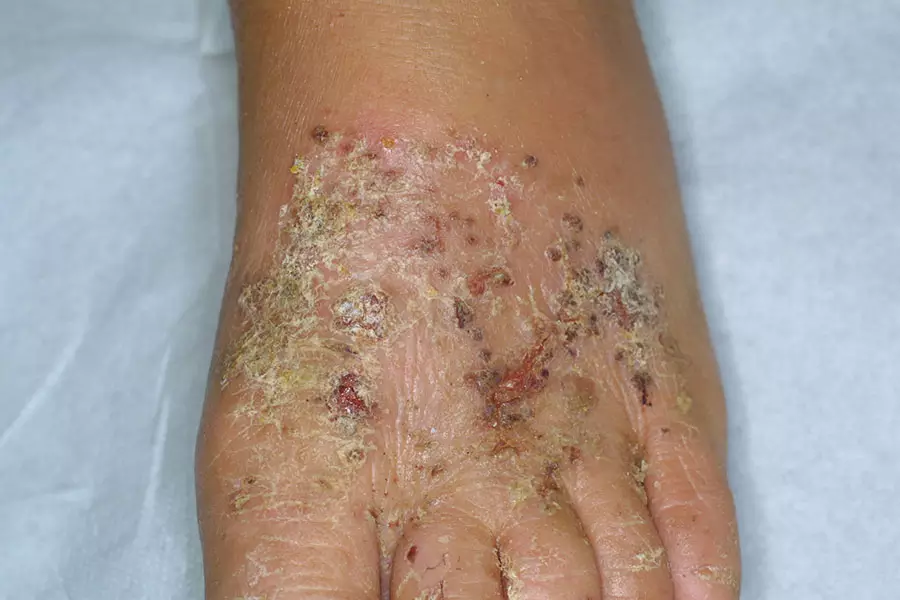
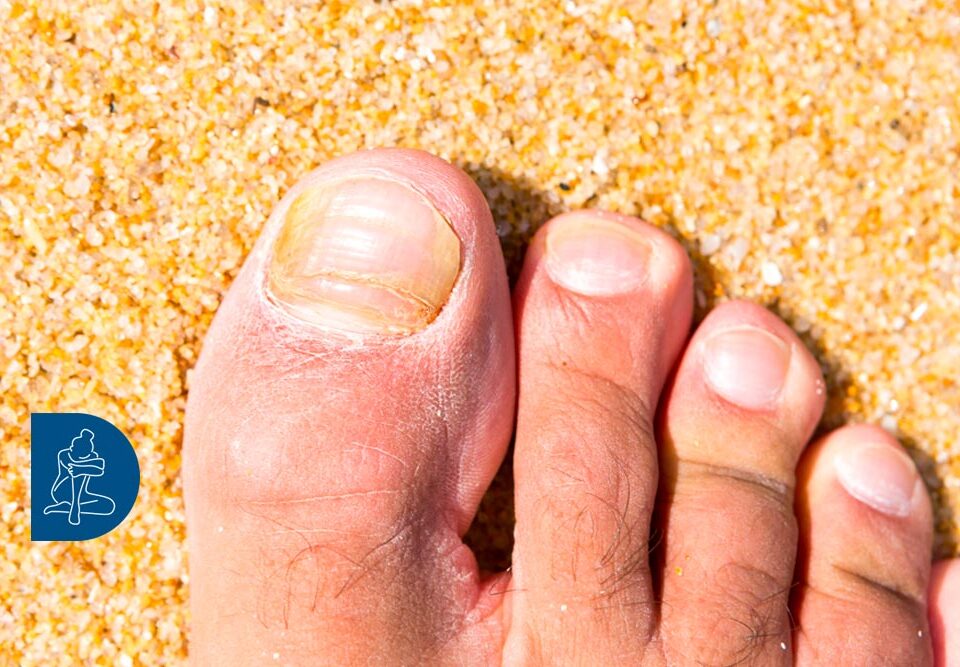
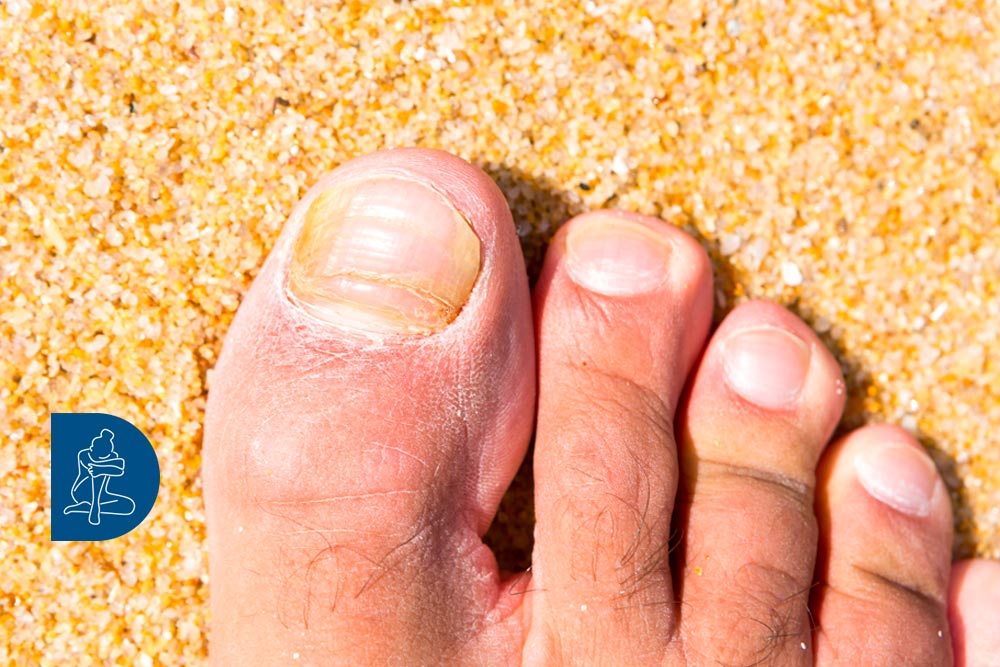
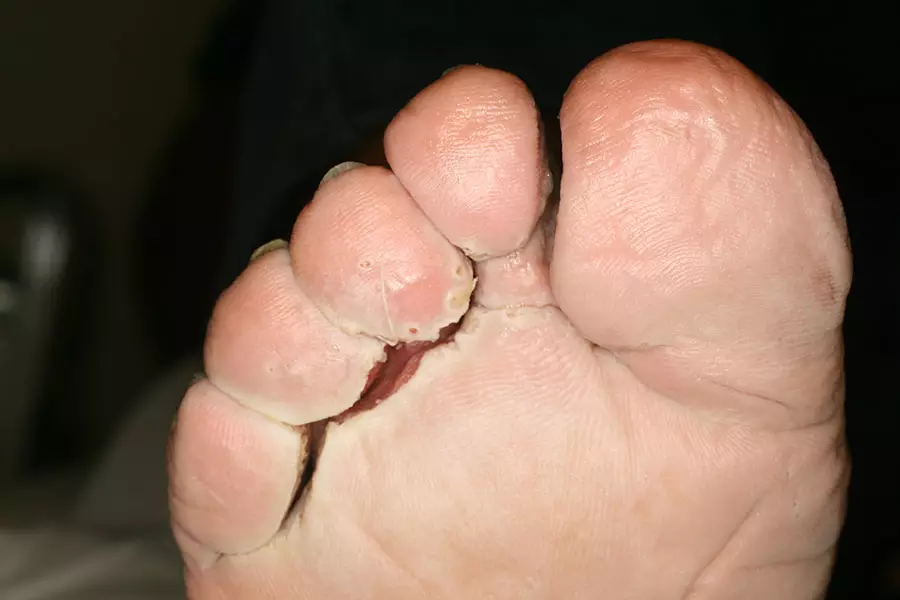
Interdigital athlete’s foot causes erythema, scaling, maceration and fissuring, as well as itching and bad odor. It usually begins at the III and/or IV interdigital space but may spread to the dorsum of the foot or to the plantar region over time.
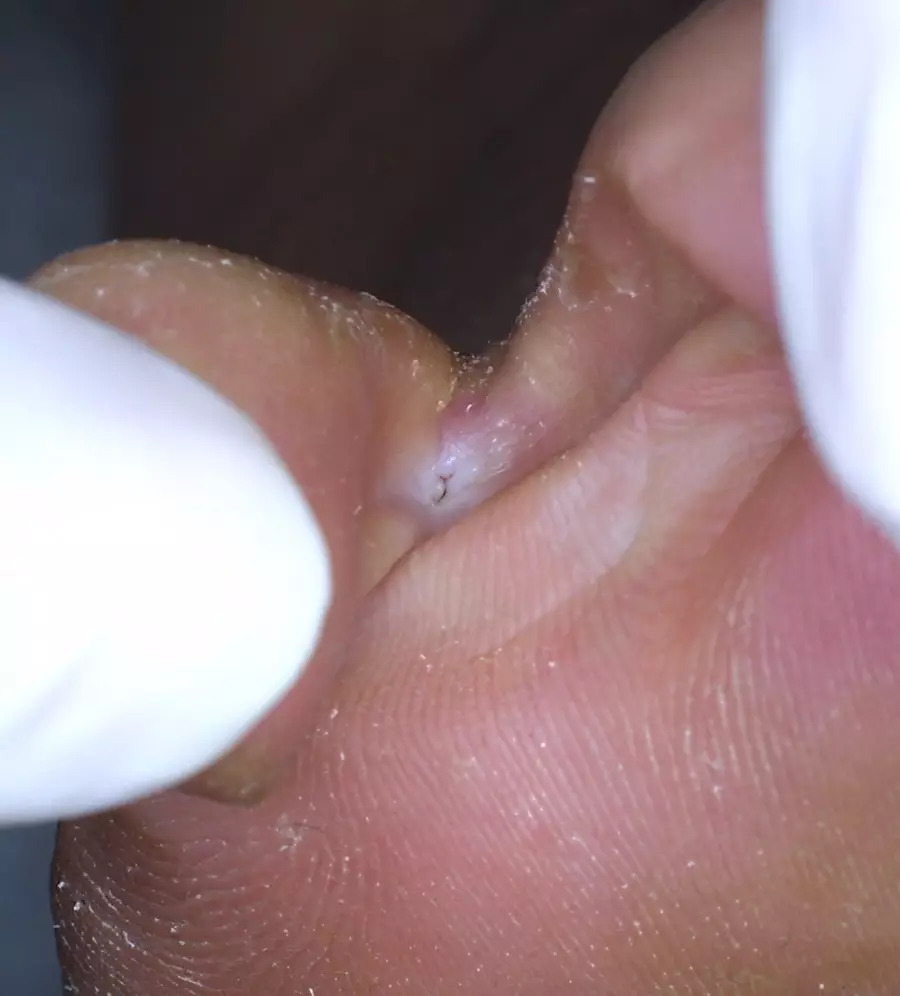
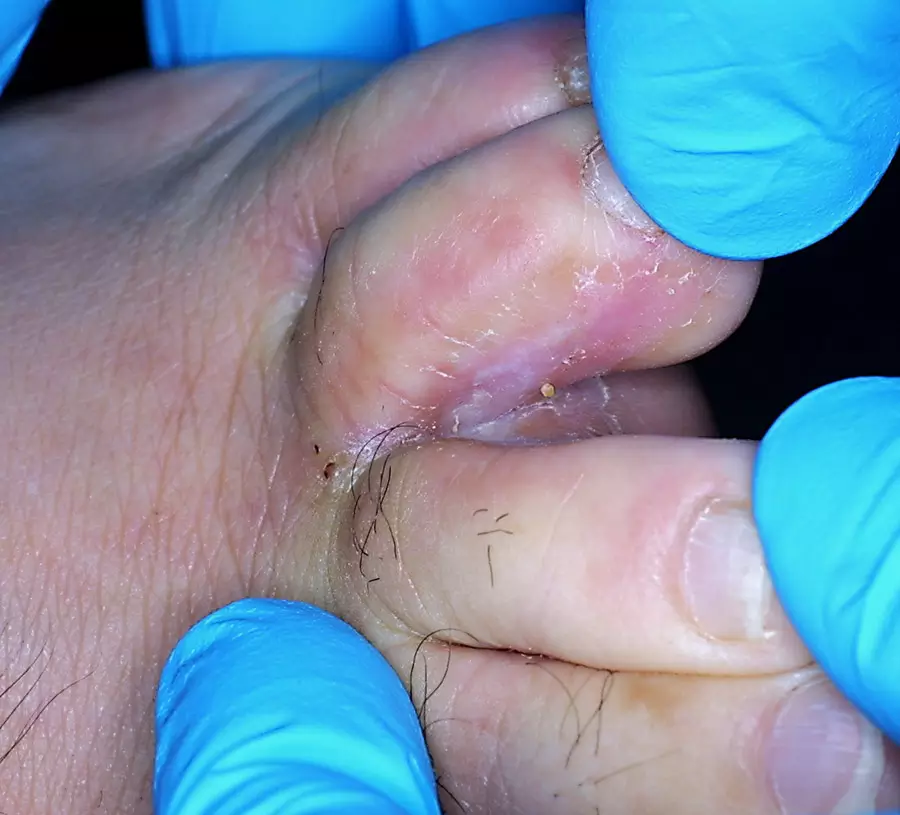
In some cases, athlete’s foot can cause a fissure in the stratum corneum right in the center of the interdigital space.
This situation is potentially dangerous because it creates a gateway for bacteria to enter and is, in fact, the primary cause of erysipelas, a skin infection of the legs.
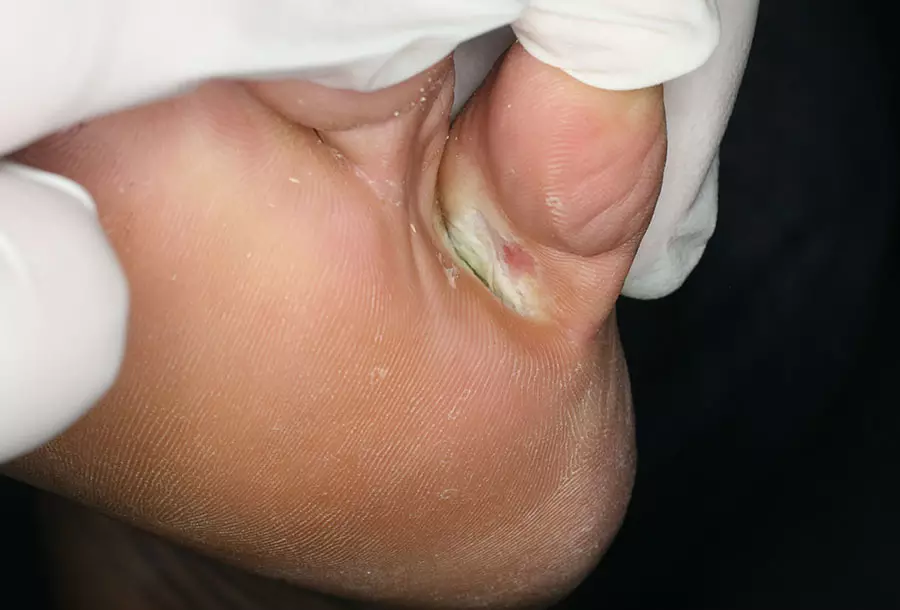

If interdigital mycosis of the feet is not recognized and treated, it can spread distantly, especially to the hands and groin folds, by autoinoculation and locally by contiguity.
The most affected areas are the groin crease and the hand.


Errors in diagnosis
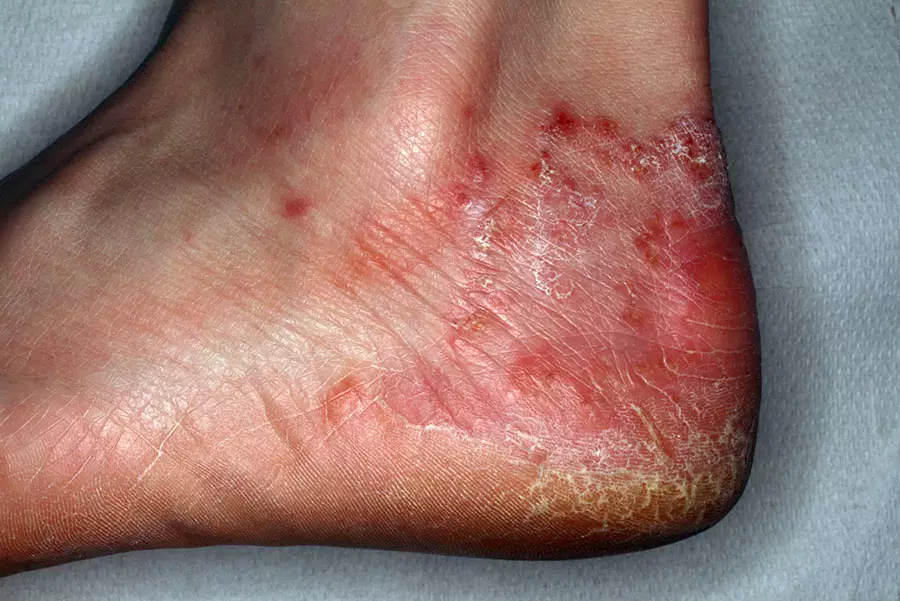
Athlete’s foot can go undiagnosed for years. It is often confused for eczematous-type dermatitis and is wrongly treated with cortisone creams. While cortisone creams will initially relieve itching and redness, they will actually spread the fungal infection without ever having healed it and will increase the risk of bacterial infections of the foot or leg.
Treatment
Treatment of interdigital mycosis of the feet can be done with antifungal creams, but in DermaClub’s experience it is more effective to use Sulfosalicylic Cream (Onicosana). In fact sulfur and salicylic acid have greater affinity for the skin than antifungals and are able to heal the parasite sooner. In addition, with this product you can perform preventive action by suggesting an application once a week. Useful this suggestion for those who frequent communal or hot humid environments.
Another obvious recommendation is to remember to dry the interdigital spaces of the feet after showering or bathing. In fact, the main cause of parasitation and recurrence is moisture stagnating between the toes feet.
How to use Onicosana
Onicosana is an evanescent cream so it is not greasy and is applied only in the evening between the toes by putting little cream and massaging. You continue the treatment until the skin between the toe spaces is back to its normal color, the itching is gone and the bad odor is gone. If the space between the fingers is very closed, it is advisable to apply a cotton bandage after the application of Onicosana so as to promote the passage of air into the spaces between the fingers. This measure speeds up healing.
Finally, it should be remembered that athlete’s foot has a tendency to recur many times so it is recommended to observe the spaces between the toes from time to time and start the application of Onicosana at the first sign of return of mycosis.