Micropeeling: practical peeling that reaps benefits
07/09/2023
Goodbye sun spots on the hands: The success of Curettage
07/09/2023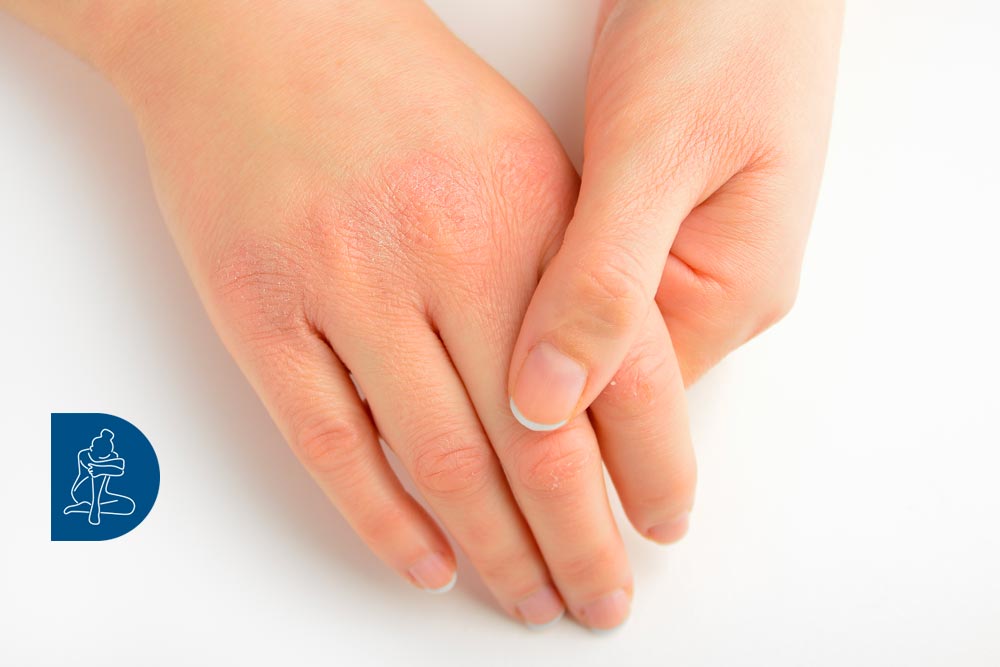
Indice
What do dry, cracked hands look like?
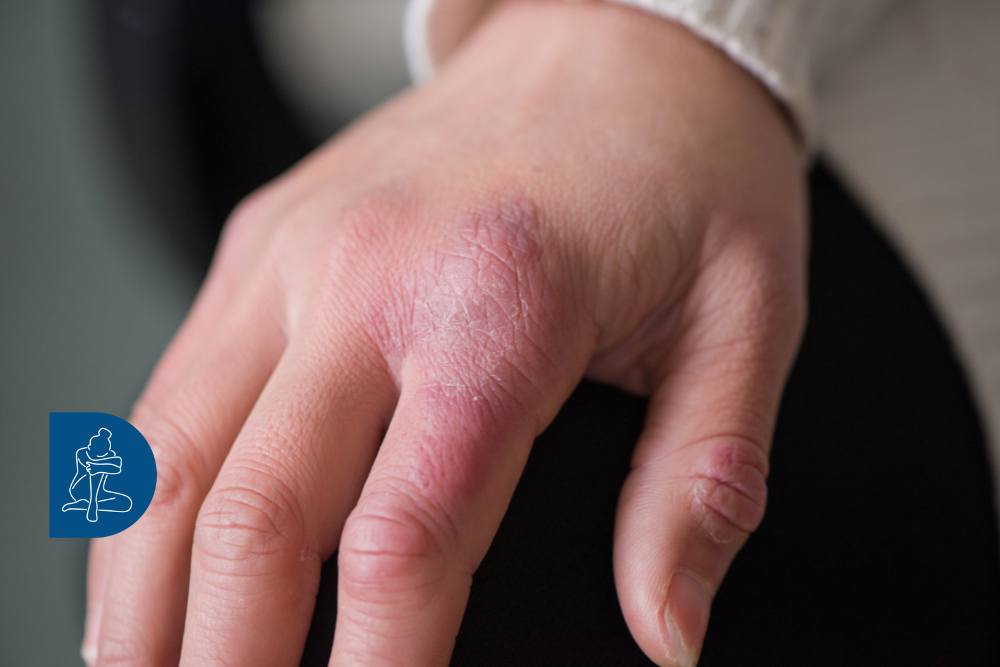
Hands can become dry for many reasons, from over-washing at home or at work, to exposure to cold weather in winter months. The skin becomes rough, flaky and cracks or fissures (ragades) may form on the palms. These symptoms can be particularly uncomfortable and can cause tactile sensitivity; pain or burning when the skin is exposed to acidic or salty substances, and difficulty in handling delicate objects.
Causes of dry hands
The hands are located peripherally which means that, due to vasoconstriction, less blood and nourishment reaches them in colder temperatures. Vasoconstriction causes the skin to reduce its lipid production, meaning that it can become dry and easily cracked. This can also happen when the hands are washed frequently, as water removes lipids from the skin faster than they can be reproduced.
What happens when hands are dry and cracked
When the skin becomes dry and cracked, it means it is no longer protected by fats and is therefore vulnerable to water and soaps. People who have to wash their hands several times a day strip the skin of the little fat it has managed to produce, causing it to become even drier, flakier and with more evident cuts.
How to remedy dry hands: DermaClub Recommends
When followed correctly, these remedies are simple yet very effective.
1. Wearing gloves
If the cause of dry hands is the cold, wearing gloves whenever one is exposed to low temperatures is a quick, easy solution that is not only practical, but can be fashionable.
If the cause of dry hands is frequent hand washing, use protective gloves, such as those made of nitrile, to keep the hands clean and reduce the need to wash them.
2. Reducing hand washing
Another remedy is to wash hands less and, once washed, to ensure they are well dried after each wash. When washing, use cleansers such as Eudermic Cleansing Base that do not strip cutaneous lipids from the skin and help keep the hands soft.
3. Applying self-hydrating ointments
Restoring the skin’s fats is critical to resolving dry hands. Using traditional hand cream will provide a few hours’ of softness, but the dry skin will reappear as it was before. Paradoxically, repeated application of traditional hand cream only further dries out the skin and deepens any present fissures. This paradox occurs because when creams are applied frequently, they act like soaps as both contain surfactants. To remedy this, switching hand creams to self-hydrating ointments such as Extreme Emollient Ointment helps the stratum corneum retain water. Extreme Emollient Ointment pulls water up to the stratum corneum from deeper layers of the skin and helps it stay on the surface for as long as possible, allowing for the skin to become softer and for fissures to close. Conclusion: Dry, cracked hands can be treated with specific precautionary measures.